9 Aug 2026
Tracking Player Pathways Across State Lines in Layered US Gambling Reward Systems
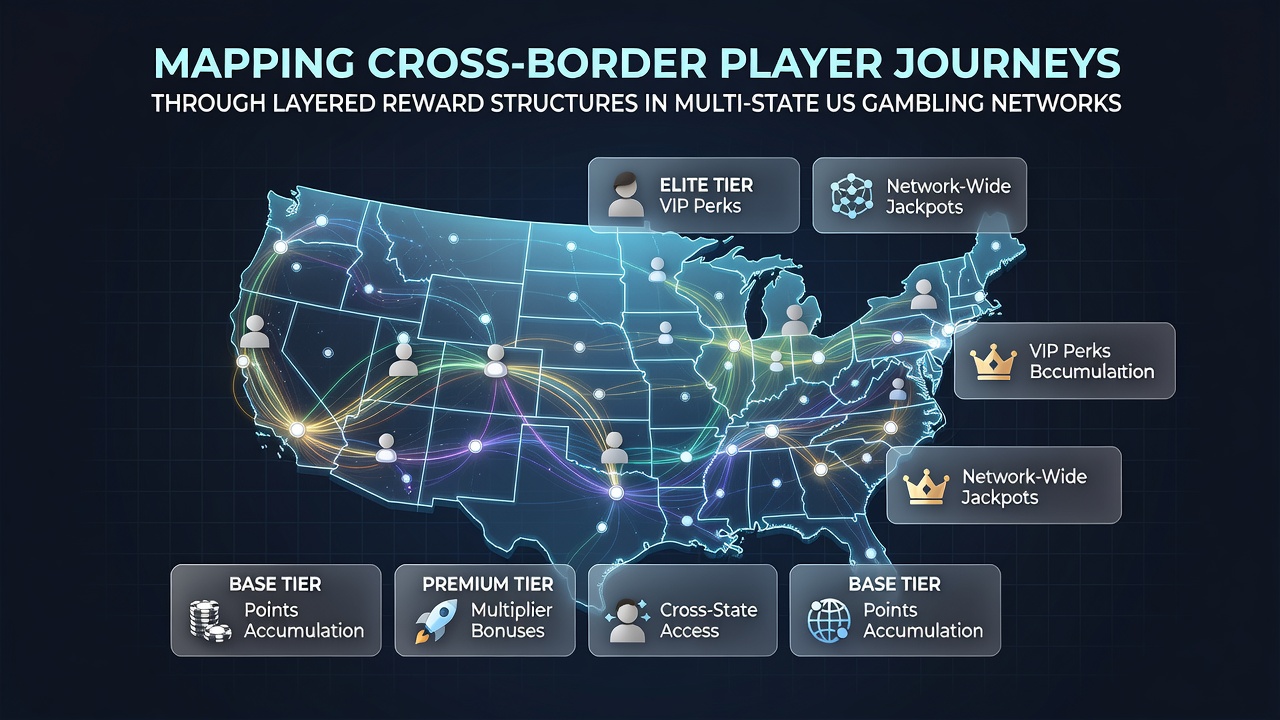
Multi-state gambling networks in the United States operate under distinct regulatory frameworks that shape how players move between jurisdictions and accumulate rewards, and data from industry reports shows operators maintain separate platforms for each state while sometimes linking loyalty elements across borders where permitted. Players in states like New Jersey, Pennsylvania, Michigan, and West Virginia encounter geofenced applications that restrict access based on location, yet layered reward structures allow points, bonuses, and tier status to transfer in limited ways when users travel or switch between affiliated sites. According to figures from the American Gaming Association, online gambling revenue exceeded $7 billion in 2025 across these markets, with player mobility contributing to patterns where individuals maintain accounts in multiple states to optimize reward collection during business trips or vacations.
State-Specific Regulations and Network Structures
Each state enforces its own licensing requirements through bodies such as the New Jersey Division of Gaming Enforcement and the Pennsylvania Gaming Control Board, which means operators must build separate databases and compliance systems even when they share parent companies. This setup creates natural barriers to seamless cross-border movement, although some networks use centralized player tracking tools that flag location changes and adjust available games or promotions accordingly. Researchers at institutions studying gambling behavior have documented how these systems log entry points, session durations, and reward redemptions to map typical journeys that begin in one state and continue in another when legal play resumes.
Layered Reward Mechanisms in Practice
Reward structures often stack base loyalty points earned from wagers with tier multipliers, exclusive events, and cashback offers that reset or carry over depending on state rules. In August 2026 several operators plan expansions that test new interstate compendium programs, where players completing milestones in one jurisdiction receive partial credit toward status in another if reciprocity agreements exist. Data indicates these layers encourage longer engagement cycles, as users chase escalating benefits like free play credits or event invitations that only activate after activity thresholds span multiple platforms. Observers note that such designs mirror airline mileage alliances, where fragmented operators collaborate on shared ledgers without violating individual state caps on bonuses or deposit matches.
Mapping Actual Player Journeys
Analytics platforms employed by major operators reveal common pathways that include morning sessions on a home-state app followed by evening activity on a travel-state version, with reward balances syncing through secure APIs when users verify identity. One study from a Midwest university research group found that frequent travelers between New Jersey and Pennsylvania accumulate tier points 40 percent faster than single-state users because layered systems award bonus multipliers during cross-border transitions. These maps also highlight drop-off points where mismatched reward rules cause players to abandon accounts, prompting operators to refine notification systems that alert users to available transfers before expiration dates hit.
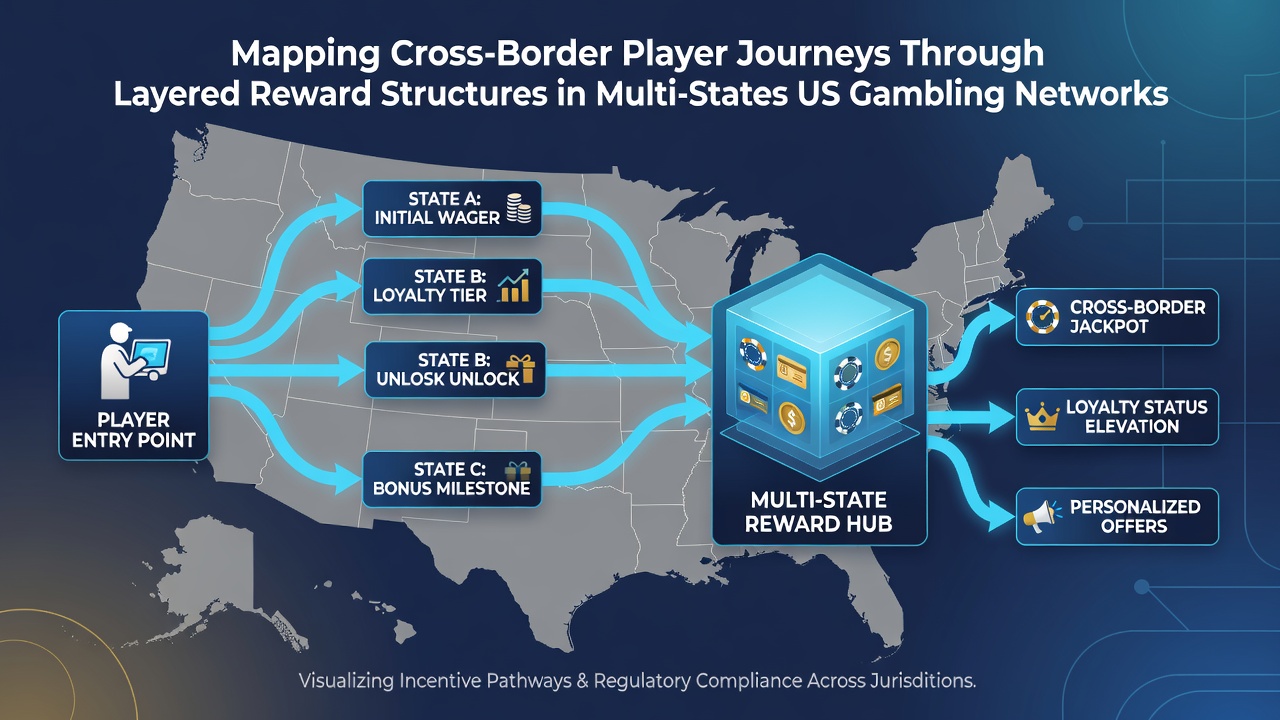
Geolocation technology plays a central role in these journeys by triggering automatic switches between state-specific lobbies while preserving progress in shared loyalty ledgers. Industry reports reveal that peak travel periods, such as summer holidays and major sporting events, generate spikes in multi-state logins that test the robustness of these layered systems and expose gaps in reward continuity.
Challenges and Emerging Solutions
Compliance teams face ongoing pressure to prevent reward abuse across borders, which leads to sophisticated monitoring that flags unusual patterns like rapid state switches or bulk redemptions. Solutions under development include blockchain-based ledgers that provide transparent tracking without compromising player privacy, and early tests in 2026 show promise for reducing disputes over transferred points. External links to academic papers on gambling technology highlight how these tools integrate with existing regulatory databases to maintain audit trails that satisfy multiple state commissions simultaneously.
Conclusion
Cross-border player journeys in multi-state US gambling networks depend on carefully constructed reward layers that balance regulatory separation with user convenience, and ongoing developments through 2026 continue to refine how these systems record, transfer, and monetize activity across state lines. Data from regulatory filings and operator disclosures shows steady growth in mapped pathways as more states authorize online play and operators invest in unified tracking infrastructure. Those who analyze these networks observe that success hinges on precise synchronization between location verification and reward ledgers, which keeps players engaged while meeting distinct legal standards in each jurisdiction.