State Line Bankroll Trails: Mapping Fintech Shifts in Deposit Patterns Across America's Regulated Gambling Zones
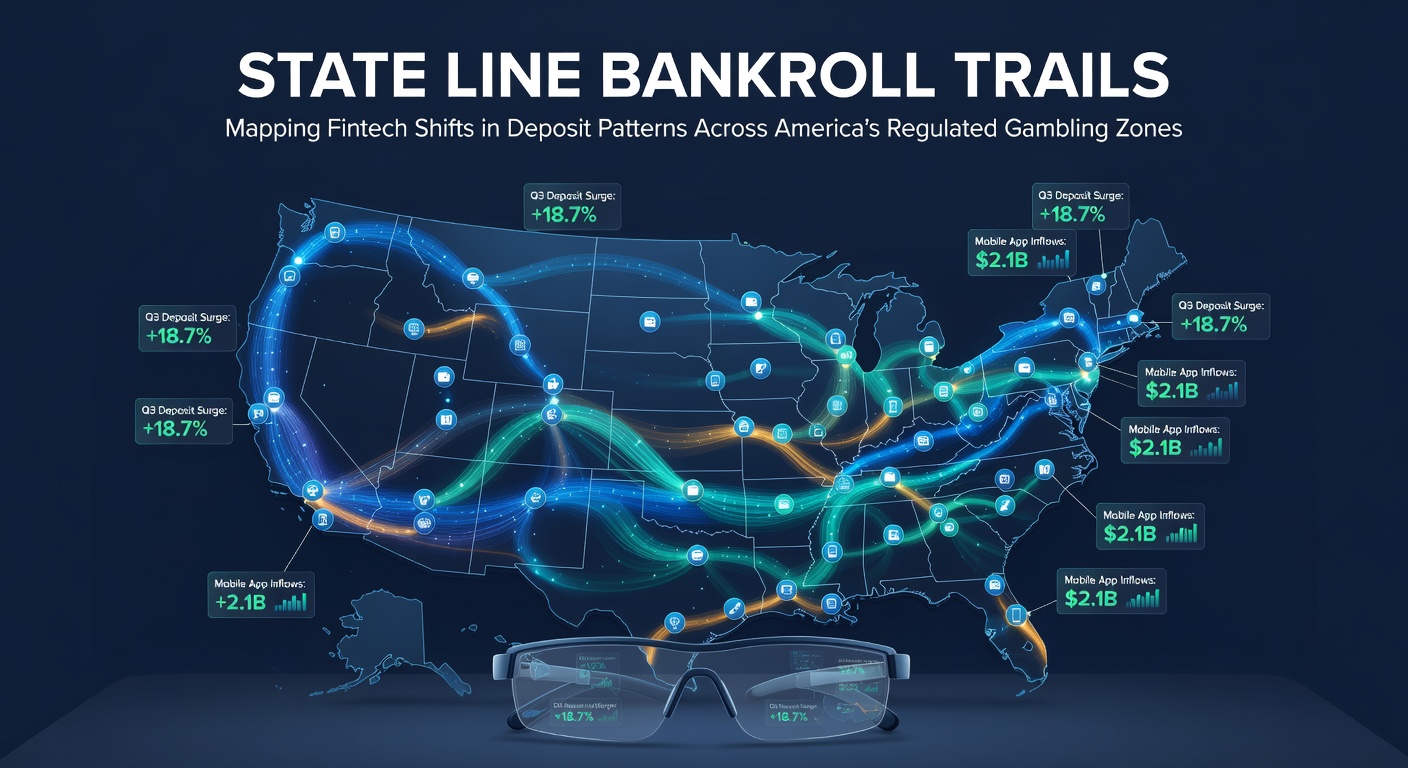
State boundaries shape how players fund their accounts in America's patchwork of regulated gambling markets, and fintech tools have started to trace clear patterns across those lines. Different licensing rules in places like New Jersey, Pennsylvania, Michigan and Nevada create distinct deposit environments where payment methods rise and fall based on local regulations rather than national trends. Observers note that digital wallets, instant bank transfers and mobile payment apps now account for growing shares of activity in states that permit them, while older card-based options remain dominant where rules stay tighter.
Regulatory Lines Draw the Map
Each state sets its own standards for approved payment processors, and those standards directly influence which fintech options appear at checkout. New Jersey's Division of Gaming Enforcement requires specific licensing for any service handling player funds, which has encouraged established providers to expand their offerings while newer entrants focus on compliance. Pennsylvania follows a similar structure through its Gaming Control Board, yet the timing of approvals has produced slight differences in available deposit speeds. Michigan's regulatory framework, implemented after its 2021 launch, incorporated lessons from neighboring states and allowed certain real-time transfer methods to enter the market earlier than expected.
Those who've tracked monthly reports see deposit volumes shifting toward methods that clear funds in seconds rather than days, and the change shows up most clearly along the Northeast corridor where multiple states operate side-by-side. Data from state regulators indicate mobile-initiated deposits increased steadily through 2025, with further acceleration projected into June 2026 as additional platforms integrate new banking APIs.
Fintech Methods Trace New Routes
Digital wallet services have gained ground because they bypass some of the friction created by traditional card networks and state-specific banking rules. In states where instant deposits are permitted, players often move funds from linked bank accounts through services that verify identity once and then allow repeated quick transfers. Research from the American Gaming Association shows that the share of deposits completed via non-card digital methods rose from roughly 18 percent in early 2024 to over 27 percent by late 2025 across reporting jurisdictions.
Bank transfer integrations have also evolved, with several platforms adopting same-day ACH or RTP protocols that reduce the lag between initiation and available balance. One study from the University of Nevada's International Gaming Institute documented how these faster rails correlate with higher session frequency in markets where they are offered, while states without such options continue to rely more heavily on credit and debit card rails that still carry authorization delays.
State-by-State Deposit Patterns Emerge
Along the East Coast, compact state lines create visible contrasts in a single metropolitan area. Players in northern New Jersey can access a broader set of instant options than those just across the Delaware River in Pennsylvania, where approval timelines for certain processors have lagged. Michigan's market, separated by hundreds of miles, displays its own profile with strong adoption of mobile-first wallets that integrate directly with popular banking apps. Nevada, operating under the Nevada Gaming Control Board, maintains a more mature mix that includes both legacy and newer fintech channels because its regulatory environment has had longer to stabilize.
Figures released by state agencies reveal that average deposit amounts also vary, with instant methods often linked to smaller, more frequent transactions while card deposits tend to cluster at higher values. This pattern holds across multiple reports covering the 2024 through 2026 period and appears tied to the perceived speed and convenience of each rail.
June 2026 Projections and Platform Adjustments
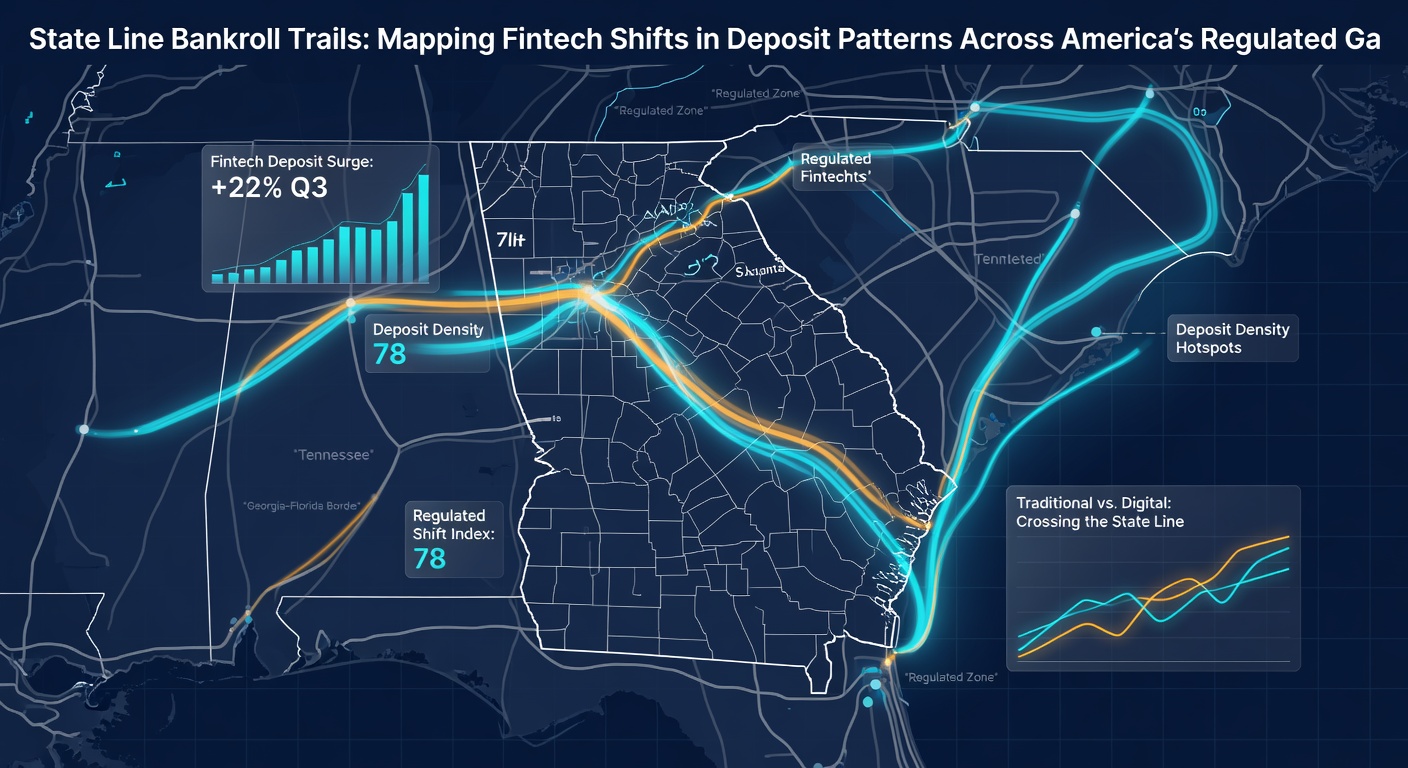
Industry analysts following state filings expect several platforms to roll out additional fintech connections around June 2026, particularly in markets that recently expanded their approved vendor lists. These additions are anticipated to narrow some of teh gaps between states where instant options already dominate and those still catching up. Reports from regulatory bodies indicate that testing periods for new transfer protocols will conclude in the first half of 2026, setting the stage for broader availability by mid-year.
What's notable is how these shifts remain anchored to state-level decisions rather than any unified national policy, which keeps the overall map fragmented even as individual corridors see more uniformity. Observers following transaction data note that cross-border players sometimes maintain multiple accounts to take advantage of the fastest available method in each jurisdiction they frequent.
Conclusion
Deposit patterns across America's regulated gambling zones continue to reflect the regulatory lines drawn by individual states, and fintech developments have simply made those boundaries more visible through measurable differences in speed, volume and method preference. Data compiled through 2025 and into projected 2026 figures show consistent movement toward faster digital options where regulators permit them, while states with more measured approval processes retain older patterns longer. The resulting map of bankroll trails therefore stays dynamic, shaped by the intersection of technology, compliance requirements and player behavior at each state line.