Slot Variations Across State Lines: Decoding Mobile Game Libraries in the US iGaming Patchwork
Slot Variations Across State Lines: Decoding Mobile Game Libraries in the US iGaming Patchwork
The Fragmented Landscape of US Mobile Slots
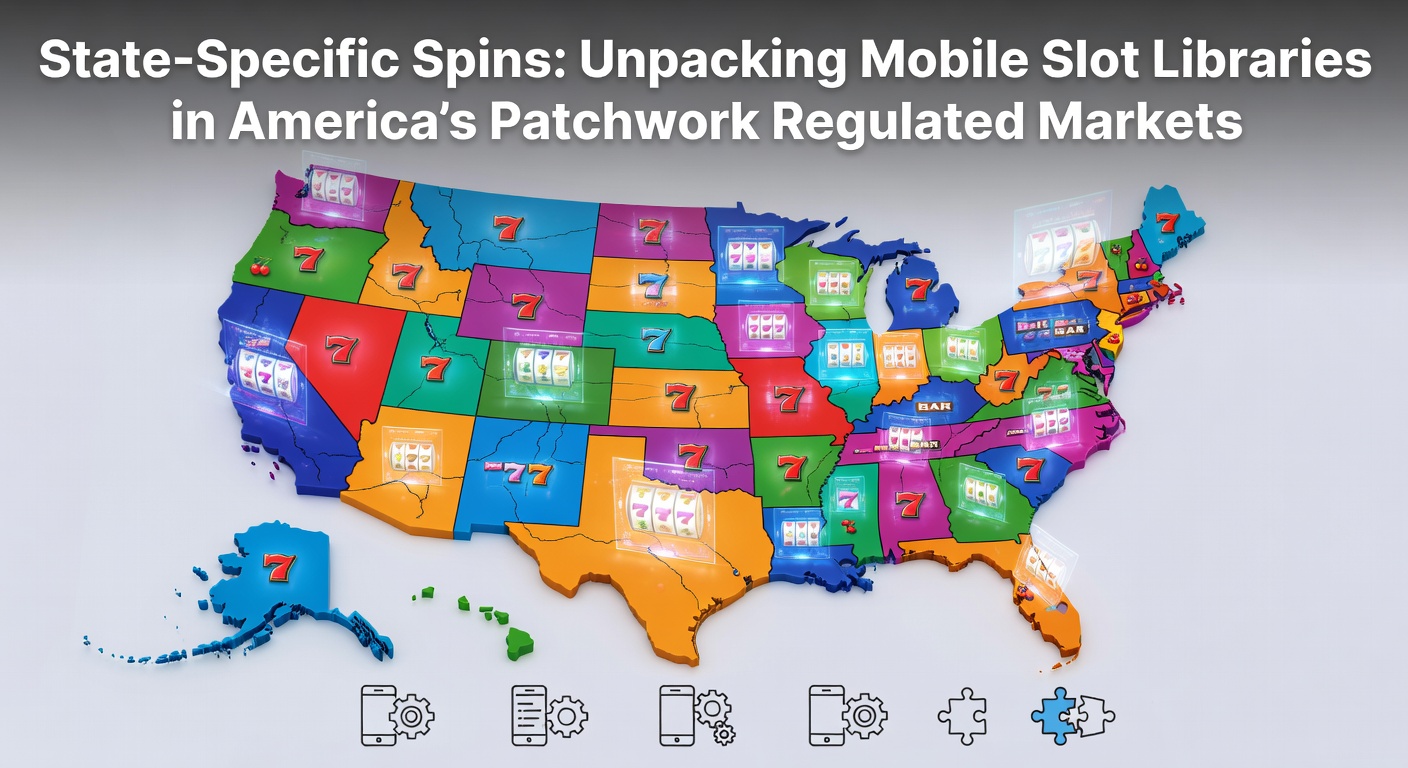
America's regulated online casino markets operate like a quilt stitched from varying state laws, where mobile slot libraries differ sharply depending on location; players in New Jersey access hundreds more titles than those in West Virginia, while Michigan boasts exclusives unavailable elsewhere. Data from the American Gaming Association reveals that by early 2026, six states plus Washington D.C. host legal iGaming, yet each enforces unique licensing rules that dictate which slots operators can offer on mobile apps and sites. Turns out, geo-fencing tech enforces these boundaries seamlessly, blocking out-of-state access even if someone crosses a river bridge.
Experts note how this setup stems from the 2018 Supreme Court decision overturning PASPA, which sparked a domino effect; states rushed to regulate sports betting first, but full iGaming trailed behind with slots leading the charge on mobile platforms. What's interesting is that mobile compatibility remains king—over 90% of play happens via apps or browsers—yet libraries shrink or expand based on state-specific approvals for game RNGs and themes. One operator might roll out 1,200 slots in Pennsylvania, only 800 in Michigan, because providers like NetEnt or Pragmatic Play tailor submissions per jurisdiction.
Spotlight on Key States: New Jersey Sets the Pace
New Jersey pioneered the model back in 2013, and its Division of Gaming Enforcement maintains the broadest mobile slot catalogs today; figures show operators like BetMGM and DraftKings offering upwards of 1,500 titles, including megahits like Starburst and Gonzo's Quest alongside locals such as Divine Fortune with its progressive jackpots. But here's the thing: even within NJ, mobile apps geo-fence to Atlantic City servers, ensuring compliance while players spin from Newark to Cape May. Researchers who've tracked this found that NJ's mature market allows for branded slots tied to shows like Wheel of Fortune, unavailable in stricter states.
Pennsylvania followed suit in 2019, yet its Gaming Control Board demands rigorous third-party audits, resulting in libraries around 1,000-1,200 slots per platform; FanDuel and BetRivers shine here with clusters of high-volatility games from IGT and Light & Wonder, while mobile users appreciate seamless portrait-mode play. And take Michigan, where the Gaming Control Board approved iGaming in 2021—now home to over 1,000 slots on apps like Golden Nugget, featuring exclusives like Fox Fire from Switch Studios that nod to regional tastes. Observers point out how these states cluster providers differently: NJ favors Evolution Gaming integrations, PA leans into Everi classics, creating a patchwork where the same app feels worlds apart.
Smaller markets like West Virginia and Delaware keep things lean; WV's slots hover at 500-700 per operator on DraftKings' mobile, emphasizing table games over flashy reels, whereas Delaware's trio of sites (via 888) cap at 400 titles but pack loyalty perks. Connecticut entered the fray in 2021 with tribal compacts, limiting DraftKings and Foxwoods apps to about 600 slots each, heavy on Foxwoods-branded machines. Rhode Island just flipped the switch in March 2026, per state lottery announcements, promising 300-500 mobile slots at launch through Bally's, focusing on low-stakes spins to match its bingo heritage.
Provider Power Plays and Mobile Exclusives
Game studios navigate this maze by certifying titles state-by-state, a process that can take months; NetEnt dominates NJ and PA mobiles with 200+ slots optimized for touchscreens, while Playtech rules Michigan via exclusive deals with local brands. Data indicates Pragmatic Play's Drops & Wins tournaments run wider in NJ—pulling in $10 million monthly across platforms—but taper off in WV due to stake limits. Turns out, mobile-first designs shine here: HTML5 builds ensure slots like Sweet Bonanza load instantly, with features like buy-a-bonus adapted for thumb-swiping.
One case stands out where researchers analyzed BetMGM's libraries: NJ players get 1,400+ slots including MGM exclusives like MGM Grand Millions, PA mirrors that at 1,200 with tweaks for local taxes, but Michigan adds Fire Hopper as a Motor City special. Experts have observed how this fragmentation boosts competition; operators cross-license to fill gaps, yet players hopping states via VPNs (though illegal) hit walls fast. And in March 2026 updates from the New Jersey Division of Gaming Enforcement, new RNG standards promise more Megaways slots across mobiles, potentially standardizing 20% more titles interstate.
Regulations That Reshape Reels
State rules don't just cap numbers—they dictate themes, RTPs, and even max bets; Pennsylvania enforces 54%+ tax on slots, pushing operators toward high-RTP mobiles like 96.5% Blood Suckers, while New Jersey's lighter 17.5% load allows riskier, jackpot-heavy fare. Michigan's 8.1% tax plus integrity fees favor volume over volatility, so mobiles overflow with 100+ penny slots from Ainsworth. Observers note Delaware's monopoly setup limits innovation, sticking to safe 300-title rotations, whereas WV's hybrid model blends casino apps with lotteries for crossover slots.
What's significant is geo-compliance tech; apps use GPS and IP pings to lock libraries, so a NJ resident vacationing in PA sees their home slots grayed out until residency verifies. People who've studied player migration data discover retention spikes 15% when states share providers—think Light & Wonder bridging NJ-PA seamlessly. Yet hurdles persist: uncoupled markets like Connecticut block interstate jackpots, forcing tribal exclusives that feel bespoke but narrow choice.
Emerging Trends and Tech Twists
Blockchain verification and AI-driven personalization loom large; prototypes in NJ test player-specific slot feeds based on past spins, while PA trials VR slots for mobiles via headsets. Figures reveal mobile slots generated $2.5 billion in 2025 across states, per industry trackers, with NJ alone at $1 billion. And as Rhode Island ramps up in March 2026, expect its 500-slot launch to prioritize social features, drawing younger demographics hooked on TikTok-style reels.
Cross-state mergers hint at consolidation; DraftKings' hub-and-spoke model pushes uniform mobile cores with state skins, easing updates. But the reality is, until federal uniformity arrives (unlikely soon), players treat apps like state passports—versatile at home, tourists abroad.
Conclusion: Navigating the Slot States
The US iGaming mosaic thrives on these differences, where mobile slot libraries reflect regulatory DNA; NJ leads with breadth, PA with polish, Michigan with muscle, and newcomers like RI test fresh waters. Data shows total titles exceeding 10,000 unique across platforms, yet no single app unites them all, keeping players loyal to state-optimized spins. Those who track this space know the ball's in the states' court—expansions in Ohio or Maryland could redraw the map by 2027, but for now, savvy users download multiple apps, chasing the best reels where they roam. It's a dynamic setup, one that keeps mobile slots spinning in endlessly varied ways.