Gridiron Gold: Precision Strategies for NFL Bets on US Sportsbooks
Gridiron Gold: Precision Strategies for NFL Bets on US Sportsbooks
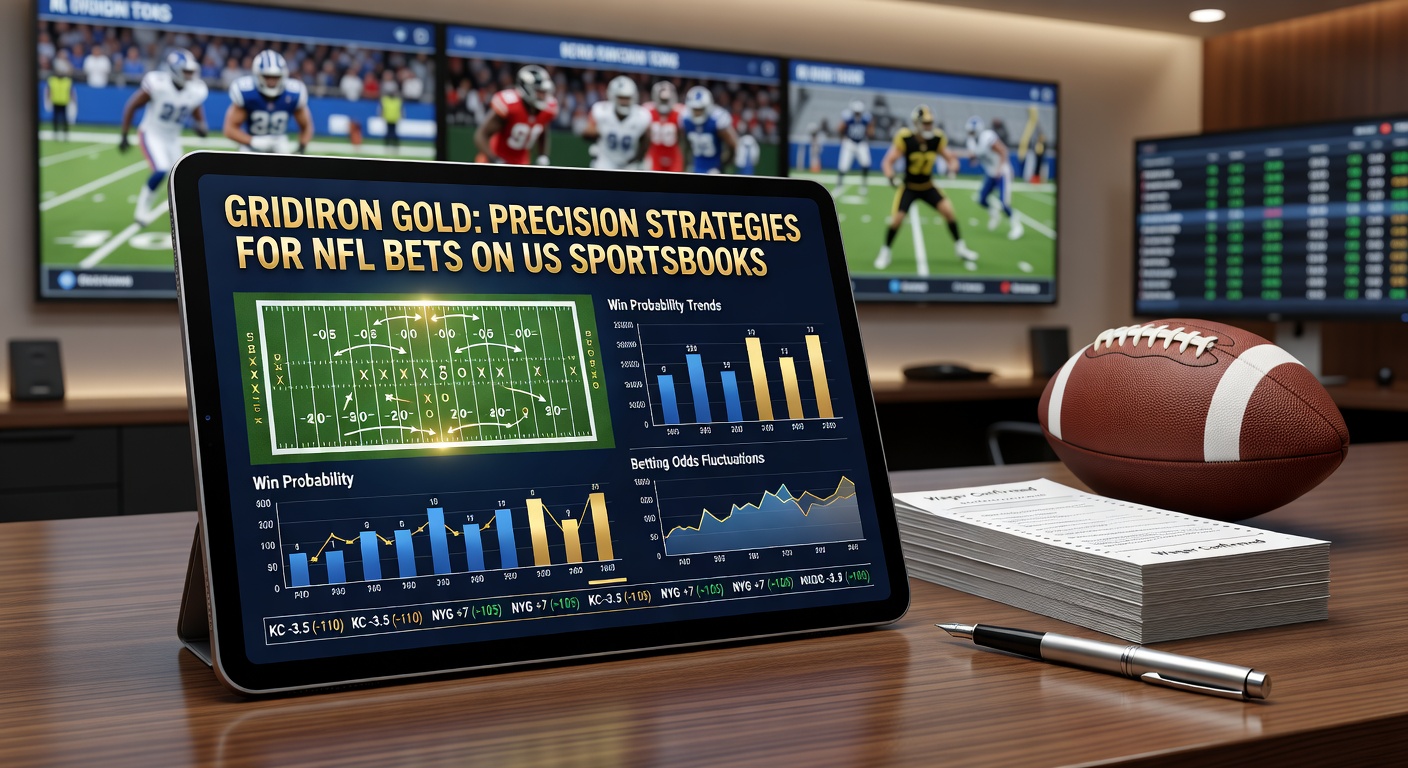
Football season hits like a thunderclap across America, and with it comes a surge in NFL betting action on platforms like DraftKings, FanDuel, and BetMGM; data from the American Gaming Association shows legal sports wagering handle topped $130 billion nationwide last year, much of that fueled by gridiron grids and prime-time showdowns. Bettors flock to US sportsbooks where odds shift in real-time, spreads tighten before kickoff, and props multiply like playbook options; yet those who dig deeper into precision strategies often uncover edges that turn casual wagers into calculated plays. This article breaks down proven approaches, drawing from historical trends, statistical models, and market dynamics that sharp bettors leverage season after season.
Mastering NFL Betting Markets: From Spreads to Props
Spreads dominate NFL lines, with books setting point handicaps to balance action – take the Chiefs minus 3.5 against the Ravens, meaning Kansas City must win by four or more for the bet to cash; moneylines follow suit, offering straight-up winner odds where underdogs like a +200 Cincinnati squad payout $300 on a $100 stake if they pull the upset. Totals, or over/unders, gauge combined scores – a 48.5 line invites bets on whether fireworks explode above or defenses clamp down below – while player props zoom in on yards, touchdowns, or tackles for stars like Patrick Mahomes or Micah Parsons. Parlays chain multiple picks for exponential payouts, but one miss torpedoes the lot; teasers shift spreads by extra points at reduced juice, appealing to those hedging risks. Experts who track these markets note how vig, typically 10% or -110 odds, eats into edges unless bettors shop smart.
What's interesting is how live betting transforms games mid-stride; a second-quarter interception flips lines instantly, allowing adjustments as momentum swings – data reveals live NFL wagers now account for over 40% of volume on major apps, per industry trackers. And as March 2026 approaches with offseason futures heating up – think MVP odds or Super Bowl winner markets already live for next fall's campaign – bettors position early on divisions like the NFC East, where Cowboys-Eagles rivalries draw sharp money.
Line Shopping: The Low-Hanging Fruit for Better Odds
One strategy stands out for its simplicity and impact: line shopping across multiple sportsbooks, where even a half-point difference swings win probabilities by 3-5%; observers see bettors firing up FanDuel at -3 (-110), then grabbing BetMGM's same game at -2.5 (-105), pocketing that crucial edge without extra risk. Platforms vary by state – New Jersey apps boast tighter lines from high volume, while emerging markets like North Carolina offer promos that juice opening odds; figures from the New Jersey Division of Gaming Enforcement indicate over $10 billion in annual NFL handle there alone, underscoring liquidity's role in sharp pricing.
But here's the thing: apps like Caesars or PointsBet often post divergent props – one books Lamar Jackson over 225.5 passing yards at -115, another at -105 – so multi-account users rotate for value; those who've built portfolios across five-plus books report 2-4% ROI lifts purely from this habit. Tools within apps, like odds screens or alerts, streamline the hunt, turning what could be a chore into a routine that compounds over 272 regular-season games plus playoffs.
Bankroll Management: Betting Units Over Gut Feels
Discipline anchors every pro approach, with bankroll management dictating unit sizes – typically 1-5% of total funds per wager, so a $10,000 roll risks $100-500 on a prime spot; researchers who've modeled thousands of seasons find flat-betting units outperforms chasing losses, as hot streaks fade while slumps test resolve. Kelly Criterion refines this further, sizing bets proportional to edge (say, 2% advantage justifies 4% of bankroll), although conservative halves mitigate variance in volatile NFL outcomes.
Turns out, tracking via spreadsheets or app histories reveals patterns – one bettor's log from 2024 showed unit discipline turning a 52% hit rate into profitable territory despite juice; common pitfalls like parlay overload or revenge bets wipe slates, but sticking to 1% floors preserves capital through bye weeks and injury riddles. And with March 2026 futures markets blooming – division winners pegged early amid free agency buzz – patient unit deployment spots overlays before public piles in.
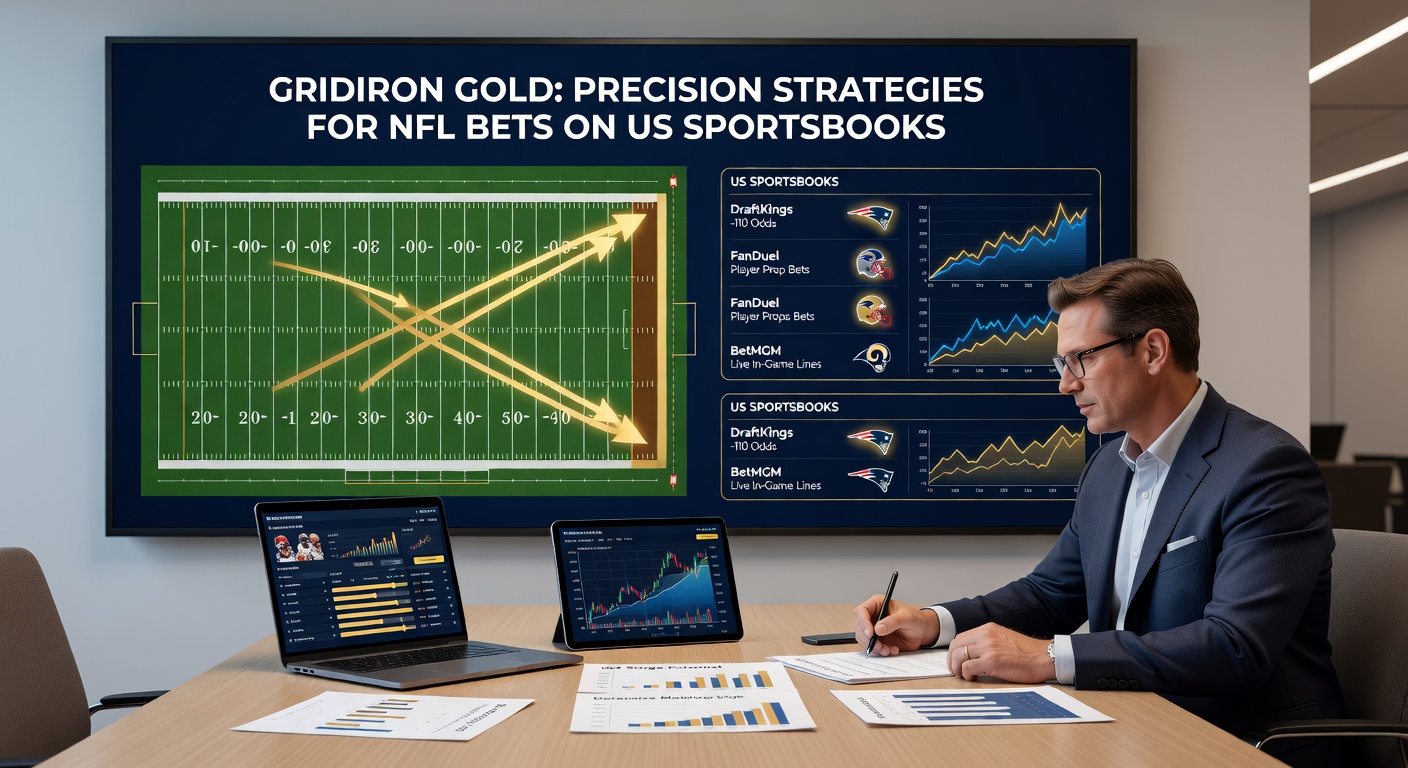
Data-Driven Edges: Stats, Models, and Advanced Metrics
Numbers rule the gridiron, so bettors harness sites like Pro Football Focus or Next Gen Stats for EPA per play, success rates, and DVOA – defense-adjusted value over average – which predict outcomes better than basic yards; studies from sports analytics firms reveal models incorporating these crush Vegas lines by 1-3% long-term. Public betting percentages, often 70% on favorites, create reverse line movement when sharps fade the herd; apps display this data, flagging spots like a road dog holding steady despite 80% public love.
Weather throws curves too – wind over 10 mph slashes overs by 5-7 points on average, per historical databases, while dome games inflate totals; injuries hit harder mid-season, with quarterback absences tanking spreads by 7+ points unless backups shine. Machine learning models, now accessible via platforms like Pikkit, blend these factors into custom projections; one case saw a bettor nailing 65% on underdogs in rain-soaked divisional clashes, riding metrics the crowd overlooks. Situational spots shine brighter: teams off short weeks or cross-country trips falter 55% ATS, handing edges to the prepared.
Player Props and Exotic Bets: Targeting Mismatches
Props offer granularity absent in team lines – rushing yards for Derrick Henry, receptions for CeeDee Lamb – where books set conservative thresholds based on averages, but splits vs. zone vs. man coverage reveal value; data indicates props hit 53% for informed plays, edging out sides. Same-game parlays bundle these with alternates like anytime TDs, boosting payouts while capping risk to one contest; FanDuel's SGPs exploded in popularity, with volume up 300% since launch.
Yet precision demands homework: track snap counts, red-zone usage, and coaching tendencies, as one analyst's 2024 dive into backfield committees unearthed +EV on committee horses like Javonte Williams. Futures add offseason flavor – rookie of the year or coach of the year – with long odds paying off big if narratives align; as March 2026 nears, draft props already circulate, betting on top picks' debut impacts.
Parlays, Teasers, and Hedging: Balancing Risk and Reward
Parlays tempt with 10x+ multipliers on correlated legs – say, Chiefs moneyline plus Mahomes over 250 yards – but math shows breakeven needs 70%+ on two-legs, rare outside models; teasers, moving six points across two games at even money, win 75% historically yet demand avoidance of key numbers like 3 and 7. Hedging locks profit mid-playoff run, cashing part of a futures ticket when contenders advance; pros blend these sparingly, treating them as bankroll diversifiers rather than staples.
Live parlays amp excitement, chaining in-game shifts, but latency and line speed reward quick thumbs; those monitoring totals in blowouts snag overs on garbage time as books adjust slowly.
Navigating Regulations and Responsible Play in US Markets
State-by-state rules shape access – 38 jurisdictions live as of early 2026, with Pennsylvania and Michigan leading NFL volume per capita; geofencing ensures compliance, while self-exclusion tools and deposit limits promote sustainability. Industry reports highlight how operators integrate responsible gaming, with 90% of users setting budgets via apps; bettors who audit weekly, pausing after 10-unit downswings, sustain longer runs amid the grind.
Tax realities bite too – winnings over $600 trigger 1099s, so trackers log everything; offshore shadows fade as legal books offer faster cashouts, superior odds, and verified lines.
Putting It All Together: Building a Winning Playbook
Precision NFL betting weaves these threads – shop lines religiously, size units conservatively, lean on data for edges, and target props amid weather whirls or injury waves; historical backtests show 55% hit rates yielding 5% ROI over thousands of bets, while parlays spice without dominating. As the 2026 draft looms in late April and futures sharpen, early movers grab value before Vegas wisens up; those sticking to process navigate variance, turning gridiron chaos into gold. Data underscores the payoff: disciplined bettors outpace the field, one calculated snap at a time.