Cross-Border Jackpot Networks: How Progressive Slots Link Payouts Across Separate US State Regulators
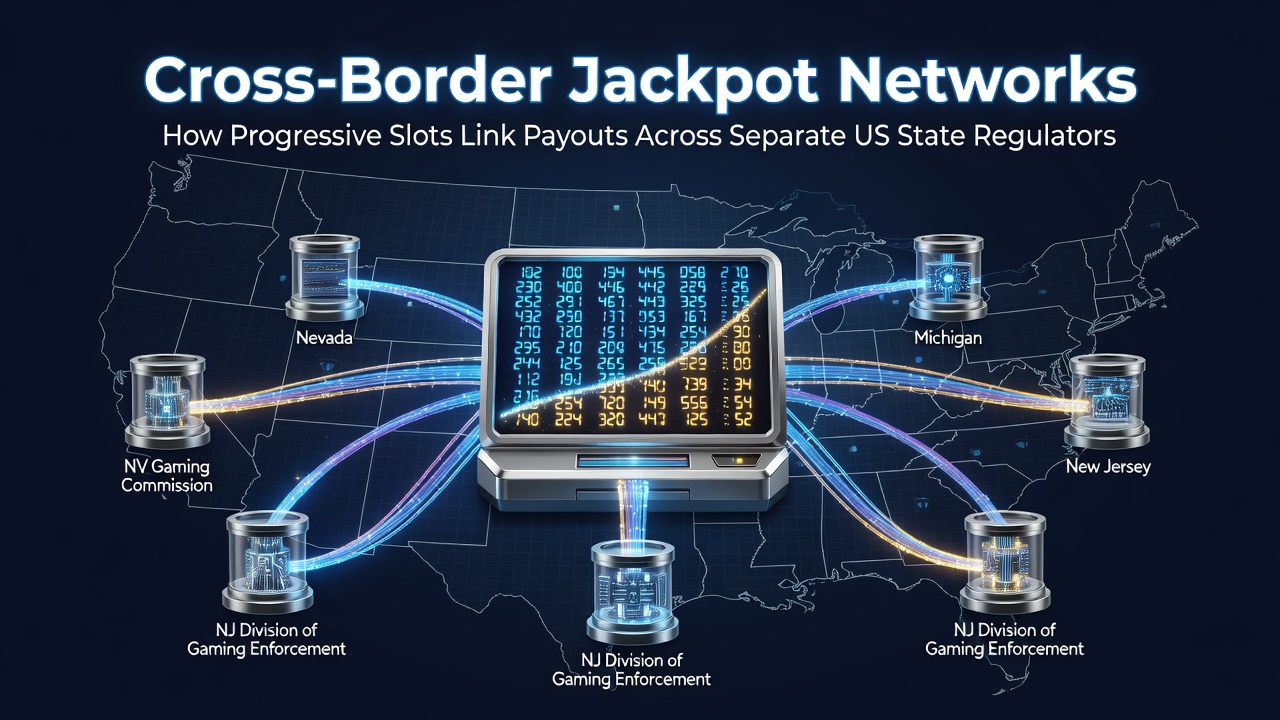
Progressive slot networks operate by pooling contributions from machines across different locations, yet US regulations remain divided among individual states that each maintain their own licensing and oversight frameworks. Operators must navigate these boundaries when attempting to link jackpots, which requires careful coordination to comply with varying rules on player eligibility, tax reporting, and fund segregation.
Data from the American Gaming Association shows that several states have explored interstate agreements since 2023, allowing certain jackpot pools to grow larger while respecting each jurisdiction's authority. These arrangements typically involve technical gateways that isolate player data and contributions until a win triggers distribution according to state-specific protocols.
Regulatory Frameworks Across Jurisdictions
Each state sets its own standards for progressive systems, which creates both opportunities and constraints for network operators. Nevada's Gaming Control Board, for instance, requires detailed reporting on jackpot seed amounts and contribution rates, whereas New Jersey's Division of Gaming Enforcement emphasizes real-time auditing of linked machines. Observers note that these differences force providers to maintain parallel compliance systems rather than a single unified platform.
Multi-state operators often establish separate legal entities or subsidiary structures to satisfy local ownership rules, and this approach allows progressive contributions to flow into state-approved trust accounts. Research from the University of Nevada's gaming studies program indicates that such segmented accounting prevents commingling of funds, which regulators view as essential for player protection across borders.
Technical Mechanisms Enabling Cross-Border Links
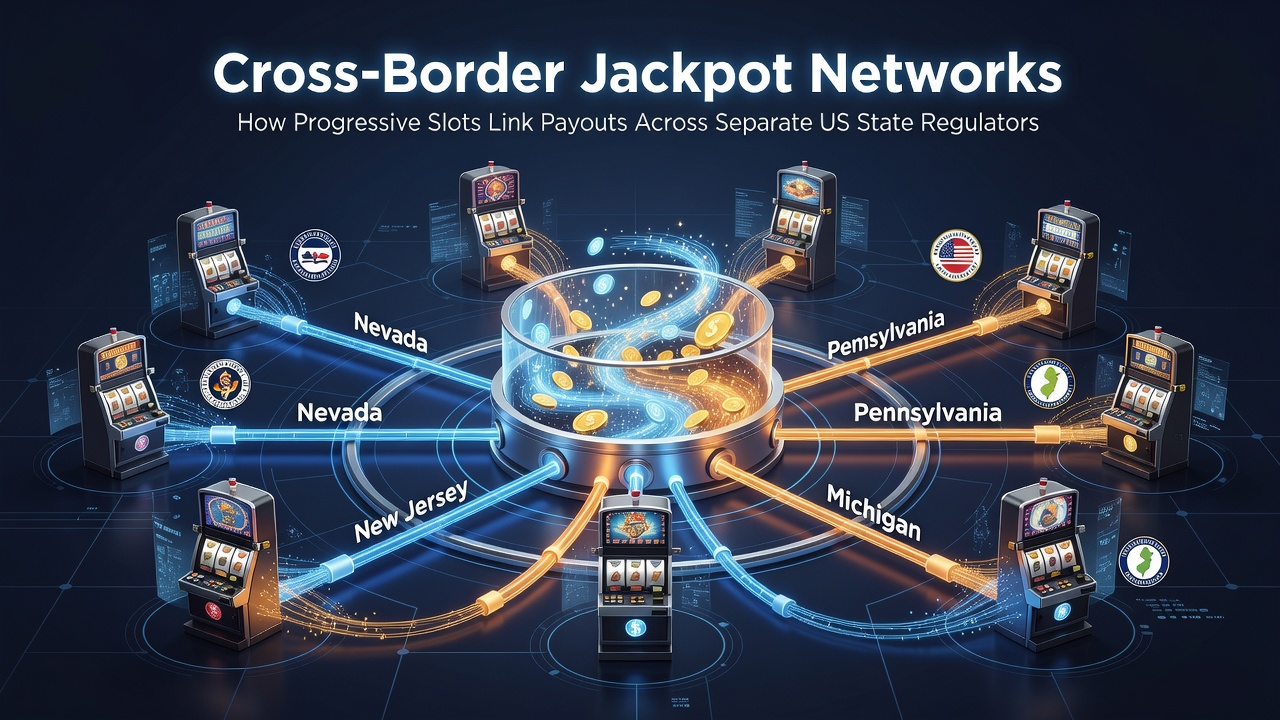
Jackpot controllers use encrypted communication protocols to aggregate bets from approved machines in multiple states without violating geographic restrictions on gambling activity. Software platforms from major suppliers segment the pool so that only players within permitted jurisdictions can qualify for the linked prize, and this segmentation occurs at the account level rather than the machine level.
When a jackpot hits, the system calculates the winner's share based on contribution percentages while automatically routing tax withholdings to the appropriate state revenue department. Figures released by industry analysts reveal that these automated processes have reduced payout delays from an average of 72 hours in 2022 to under 24 hours in most participating markets by mid-2025.
Developments Expected in July 2026
Industry reports project that additional interstate compacts may become operational in July 2026, expanding the number of states that can share progressive pools under standardized data-sharing agreements. These compacts would require participating regulators to adopt common technical standards for jackpot verification while preserving each state's right to set its own tax rates and eligibility criteria.
Testing phases for the new protocols are already underway in three states, according to filings submitted to regulatory bodies. The expanded networks could increase average jackpot sizes by an estimated 35 percent, which in turn draws more player activity to connected games without altering the underlying state-by-state licensing model.
Operational Challenges and Compliance Measures
Operators face ongoing hurdles when reconciling contribution rates that vary by state, because some jurisdictions cap the percentage of each bet that can feed into the progressive pool. Compliance teams therefore run continuous reconciliation reports to ensure that no machine exceeds its local limit, and any discrepancies trigger immediate adjustments through the central controller.
Player disputes involving cross-border wins require coordinated investigations between multiple regulatory agencies, which adds administrative layers to the resolution process. Case records from recent years show that most disagreements center on eligibility verification rather than technical failures, prompting networks to implement enhanced identity checks at the point of play.
Market Examples and Growth Patterns
One prominent network currently links progressive slots across Pennsylvania and Michigan through a private agreement that respects both states' independent oversight. Contributions from each market feed a shared meter, yet the system withholds any payout until the winning jurisdiction confirms the result through its own audit trail.
Similar arrangements have emerged in other regions where neighboring states share compatible regulatory philosophies, and participation continues to rise as more operators seek larger prize pools to compete with online and retail offerings. Trade data indicates steady growth in linked progressive play volume throughout 2025, with projections pointing to further expansion once the 2026 compacts take effect.
Conclusion
Cross-border progressive networks demonstrate how technology can bridge fragmented US regulatory environments while maintaining strict compliance with state-level requirements. As additional agreements come online in July 2026, the scale of available jackpots is expected to increase, which will likely influence both player engagement and operator strategies across participating markets. The model relies on precise technical controls and coordinated oversight rather than uniform national regulation, and this approach appears set to define jackpot linking for the foreseeable future.