Blending Real-Time Sports Insights with Virtual Casino Tables on Prominent American Betting Platforms
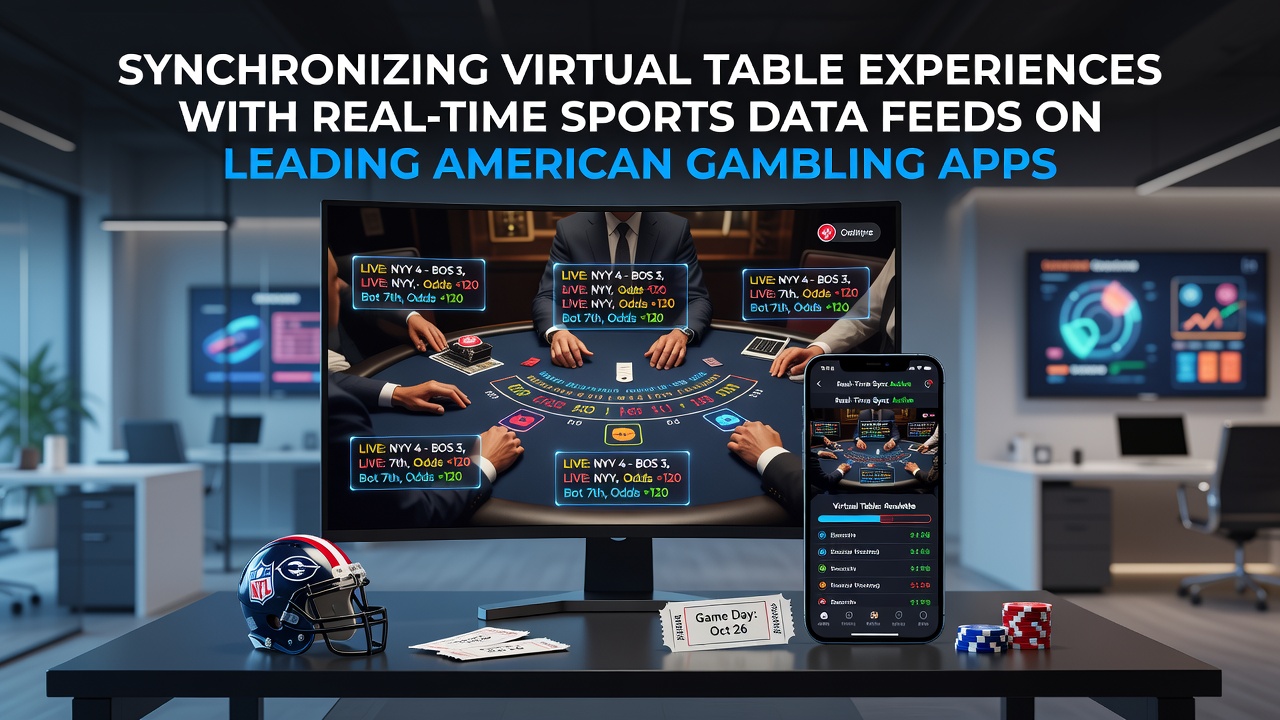
Leading American gambling apps now connect virtual table games directly to live sports data streams, creating experiences where table outcomes and visuals shift in response to ongoing athletic events. Developers achieve this through application programming interfaces that pull statistics from official league feeds and overlay them onto digital blackjack, roulette, and poker interfaces without interrupting core gameplay mechanics. Data indicates that several major platforms completed initial rollouts of these systems during the 2025 NFL season, with expanded features planned ahead of June 2026.
Core Technology Behind the Synchronization
Real-time synchronization relies on low-latency data pipelines that transmit play-by-play information from stadium sources into centralized servers operated by the apps. Engineers route these feeds through secure cloud networks so that virtual dealer animations or betting multipliers can adjust within seconds of an on-field event. Studies from technology research groups show average latency times under 800 milliseconds for top-tier implementations, allowing users to see dynamic elements such as crowd-reaction graphics tied to touchdown scores or momentum indicators during basketball quarters.
Platforms achieve consistency across devices by standardizing data formats with sports leagues and third-party aggregators. Observers note that this approach reduces discrepancies between mobile and desktop versions while maintaining compliance with state-specific transmission rules. One study revealed that integration layers also incorporate fallback protocols, switching to cached statistics during brief network interruptions to preserve continuity.
Implementation Across Major US Platforms
Operators such as DraftKings and FanDuel have incorporated sports-data overlays into select virtual table offerings in states including New Jersey, Pennsylvania, and Michigan. These additions appear as side panels or animated counters that display live scoring updates alongside traditional table elements. Figures from industry reports show participation rates rising steadily after the first quarter of 2025, particularly among users who engage with both sportsbooks and casino sections within the same session.
Additional platforms including BetMGM and Caesars have tested similar features in controlled markets, focusing on college football and NBA data streams. Researchers discovered that these synchronized elements often appear during high-profile events, with temporary multipliers or visual themes activated when specific statistical thresholds are met. State gaming divisions track these deployments through regular compliance filings, ensuring that all dynamic content meets fairness standards established under local statutes.
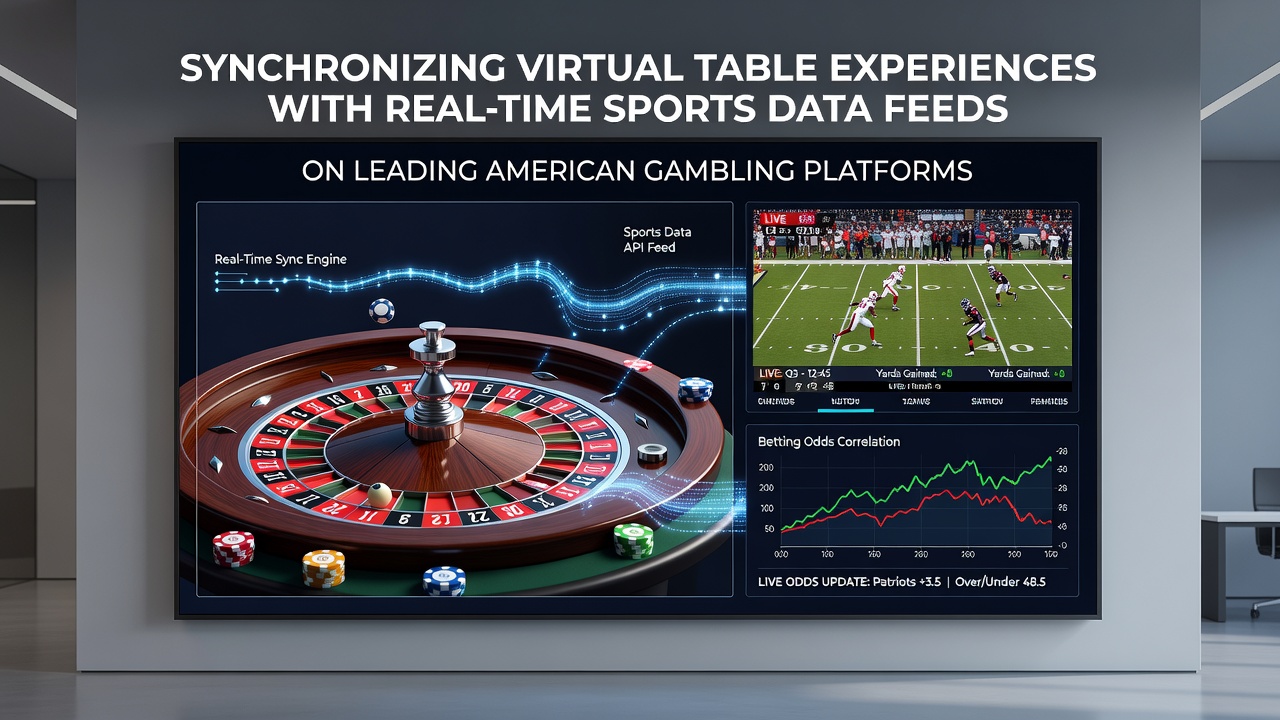
Regulatory Framework and Data Standards
State regulators require operators to maintain auditable logs of every data feed interaction, documenting how external sports information influences virtual outcomes. The Nevada Gaming Control Board and the New Jersey Division of Gaming Enforcement both publish guidelines that address latency thresholds and data-source verification. According to the American Gaming Association, operators must demonstrate that synchronized features do not alter the underlying random number generation used for core table results.
International comparisons appear in reports from bodies such as the Malta Gaming Authority, which evaluates cross-border data synchronization practices. These documents highlight differences in transmission encryption requirements between US states and European jurisdictions. Data shows that American platforms generally prioritize league-approved feeds to minimize disputes over statistical accuracy during live events.
User Experience Patterns Observed in 2025-2026
Analytics from app stores and internal platform metrics indicate increased session durations when sports overlays remain active. Users frequently alternate between placing sports wagers and participating in virtual tables within the same interface, with data feeds serving as a visual bridge between the two sections. Researchers at several academic institutions tracking digital gambling behavior documented higher engagement during marquee sporting events such as the Super Bowl and March Madness tournaments.
June 2026 projections from industry analysts anticipate further refinement of these systems, including expanded support for additional sports and more granular statistical triggers. Operators continue to refine notification systems so that users receive clear indicators when a virtual table element draws from live sports information. Regulatory updates scheduled for that period may introduce standardized reporting templates for synchronization performance across all licensed markets.
Future Developments and Industry Outlook
Continued investment in edge computing infrastructure promises to lower synchronization delays even further, opening possibilities for multi-sport data streams running concurrently on single virtual tables. Trade publications note that partnerships between app developers and sports leagues have grown more formalized, with dedicated technical working groups addressing data integrity and latency benchmarks. Evidence suggests these collaborations will shape the next generation of integrated experiences scheduled for release after June 2026.
Conclusion
Synchronization of virtual table experiences with real-time sports data feeds has become a standard feature set across leading American gambling platforms, supported by established technical standards and regulatory oversight. The approach continues to evolve through measured expansions that prioritize compliance and performance consistency. Observers expect additional refinements in the coming months as operators prepare for the 2026 sports calendar and associated regulatory reviews.