Beyond the Spin: Uncovering How Regional Laws Influence Slot Mechanics in Legal US Jurisdictions
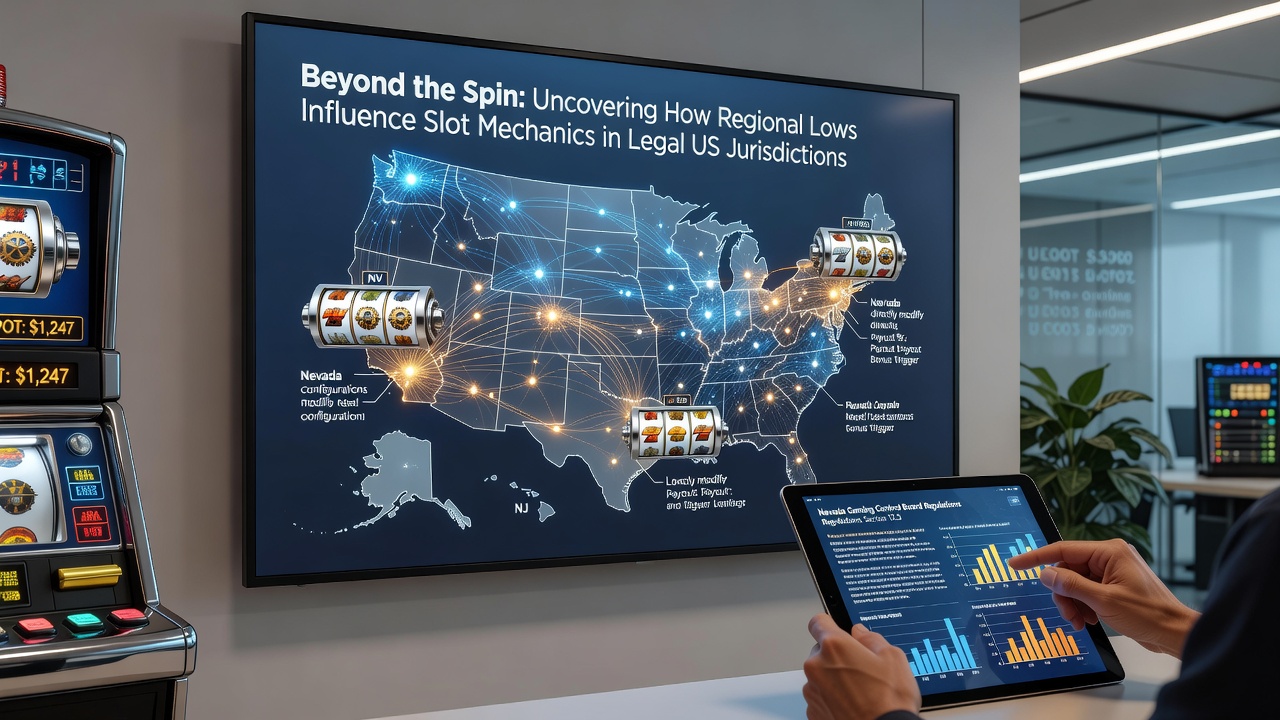
State laws shape slot mechanics in ways that extend far beyond simple licensing requirements, and those who track the US igaming sector see clear differences emerge once games move across jurisdictional lines. Nevada maintains one set of standards through its Gaming Control Board while New Jersey applies another via the Division of Gaming Enforcement, and these variations produce measurable distinctions in return-to-player percentages, reel configurations, and bonus trigger frequencies that players encounter on regulated platforms.
State-by-State Differences in Core Mechanics
Research from the American Gaming Association shows that minimum RTP thresholds differ across active markets, with some states setting floors at 75 percent while others leave the figure to operator discretion under RNG certification rules. Observers note that Pennsylvania requires independent testing labs to verify every payline combination before approval, whereas Michigan focuses more on the integrity of random number generators without mandating specific payout percentages. Data from state regulatory filings indicate that these rules directly influence how developers program volatility levels, since higher mandated RTPs often force adjustments to hit frequency and bonus round frequency to stay within approved parameters.
Take the case of New Jersey operators who must submit every title variation for review before launch, and those submissions include detailed math sheets that regulators examine for fairness metrics. In contrast, Nevada allows greater flexibility once a game receives its initial certification, which means developers sometimes release updates that tweak reel strips or multiplier values without repeating the full approval cycle. Experts tracking these processes point out that the result appears in player-facing elements such as the density of high-value symbols on the middle reels or the weighting of progressive jackpot triggers.
Bonus Features and Feature Restrictions
Regional statutes also govern which bonus structures receive approval, and several states limit the use of certain mechanics that could resemble gambling devices in other contexts. One study compiled by researchers at the University of Nevada, Las Vegas found that autoplay functions face outright bans in some jurisdictions while receiving strict session limits in others, forcing providers to build separate game versions for each market. Those versions often carry different free-spin award rates or altered wild-symbol behaviors to satisfy the local testing criteria.
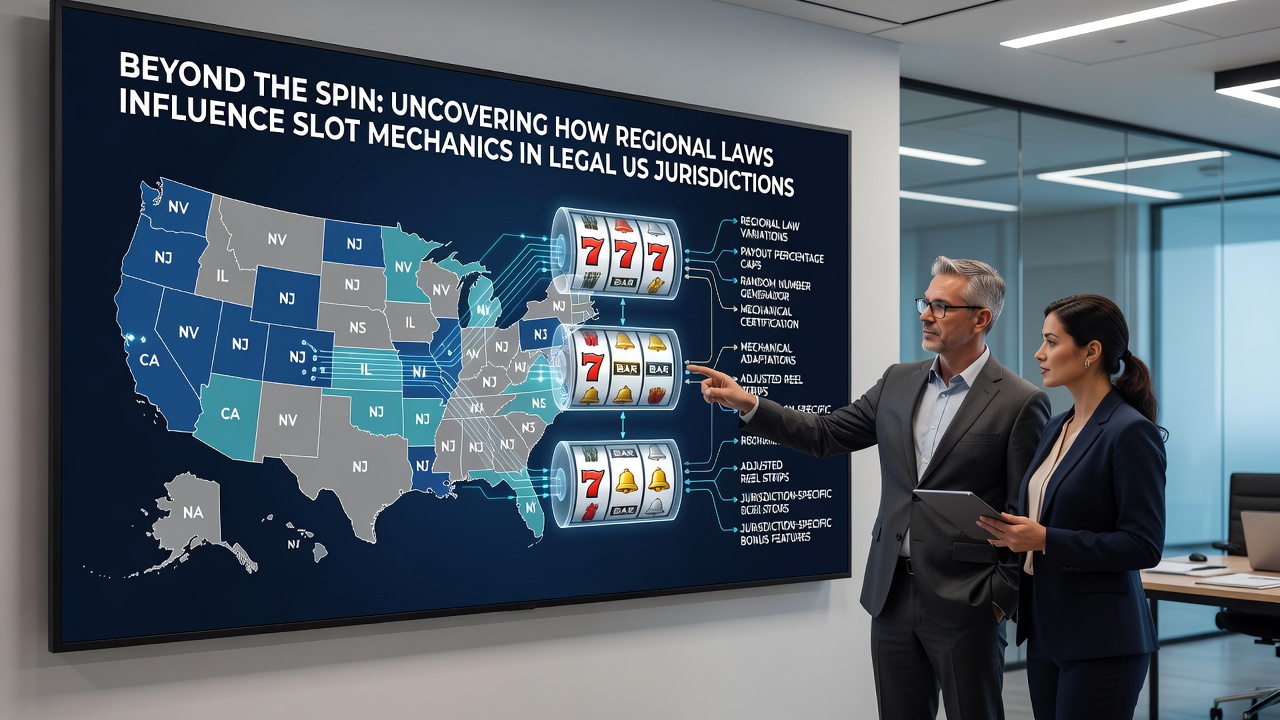
Further distinctions surface around progressive jackpot pools. Connecticut and West Virginia both require that any linked progressive system maintain separate funding ledgers for each participating casino, and this requirement changes how developers calculate contribution percentages from each bet. Industry reports from July 2026 note that several operators adjusted their jackpot seed amounts and increment rates in response to updated multi-state compacts that took effect that month, illustrating how interstate agreements continue to reshape the underlying math models.
Testing Laboratories and Certification Pathways
Approved testing laboratories play a central role in translating laws into technical specifications, and each state maintains its own list of recognized labs along with unique submission checklists. Games destined for New Jersey undergo additional scrutiny on geolocation integration and player fund segregation, while those headed for Nevada receive focused review on mechanical integrity and physical cabinet standards even when the title runs in online form. Observers who follow certification timelines report that these parallel tracks sometimes add weeks to development schedules, which in turn influences which features studios prioritize when creating a single title for nationwide distribution.
Figures released by state gaming agencies reveal that rejection rates for initial submissions hover between 12 and 18 percent depending on the jurisdiction, with most refusals tied to documentation gaps rather than outright mechanical failures. Developers respond by maintaining separate code branches for each regulated market, and those branches carry distinct settings for maximum bet sizes, denomination spreads, and animation speeds that comply with local accessibility rules.
Conclusion
Regional laws therefore create a patchwork of slot mechanics that operators must navigate through targeted builds and ongoing compliance monitoring. Data from regulatory bodies and academic tracking efforts show that these differences manifest in RTP floors, bonus weighting, and certification procedures rather than in surface-level graphics or themes. As new states enter the regulated market and existing frameworks receive periodic updates, the technical specifications that define legal slot play continue to evolve along state-specific lines.