Behind the Reels: Examining Random Number Generators in State-Licensed US Slot Games
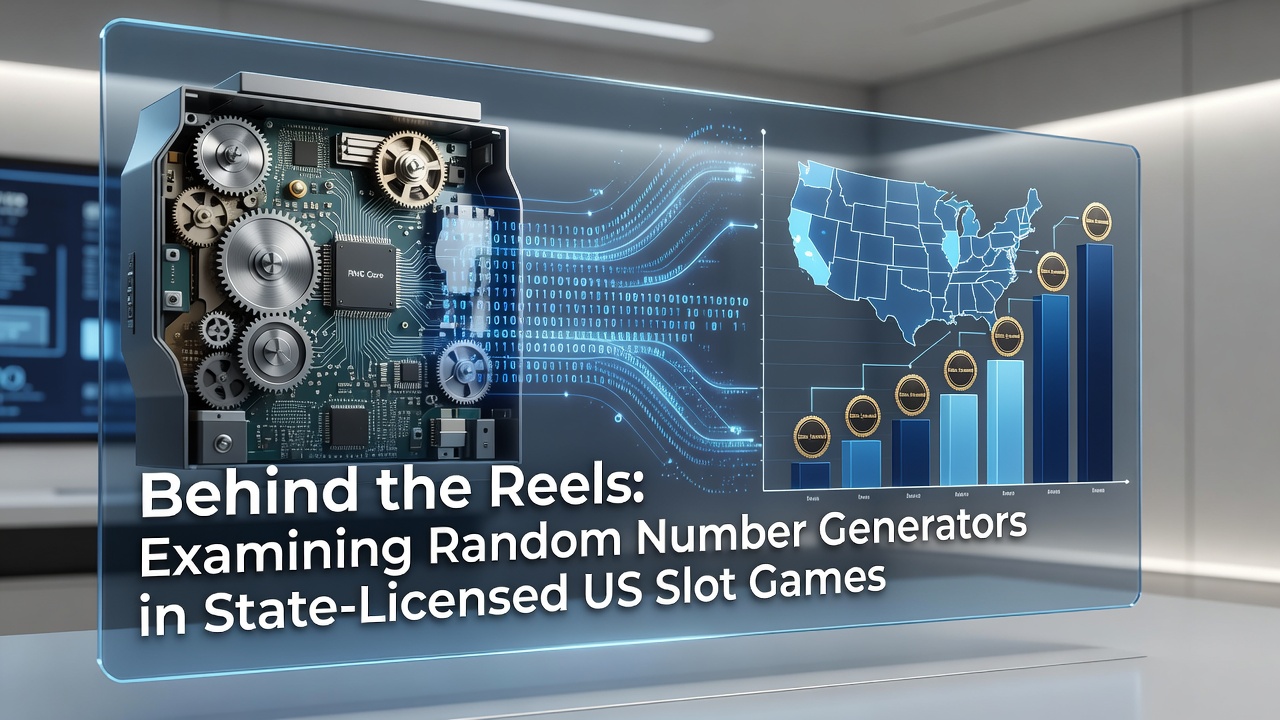
State-licensed slot games across the United States rely on random number generators to determine outcomes, and these systems operate under strict oversight from individual state gaming authorities. The technology produces sequences of numbers at high speed that correspond to reel positions or symbol combinations, ensuring each spin remains independent from previous results. Researchers at institutions studying gaming mathematics have documented how pseudo-random algorithms achieve this independence through complex mathematical functions seeded by external entropy sources such as hardware clocks or atmospheric noise.
Core Mechanics Behind Slot RNG Systems
Modern slot RNGs typically employ algorithms like the Mersenne Twister or custom cryptographic variants approved during certification, and these run continuously even when the machine sits idle. When a player presses the spin button, the system captures the current number from the ongoing sequence and maps it to game symbols according to predefined paytables. Data from testing laboratories shows that certified RNGs pass millions of simulated spins before deployment, confirming uniform distribution across all possible outcomes and compliance with return-to-player percentages set by state rules.
Hardware-based RNGs supplement software versions in some high-stakes venues, drawing randomness from physical processes such as thermal fluctuations or quantum effects, whereas most commercial slots use software implementations verified through repeated statistical tests including chi-square and serial correlation analyses. Observers note that both approaches undergo identical audit protocols once integrated into gaming cabinets.
State Regulatory Frameworks and Compliance Standards
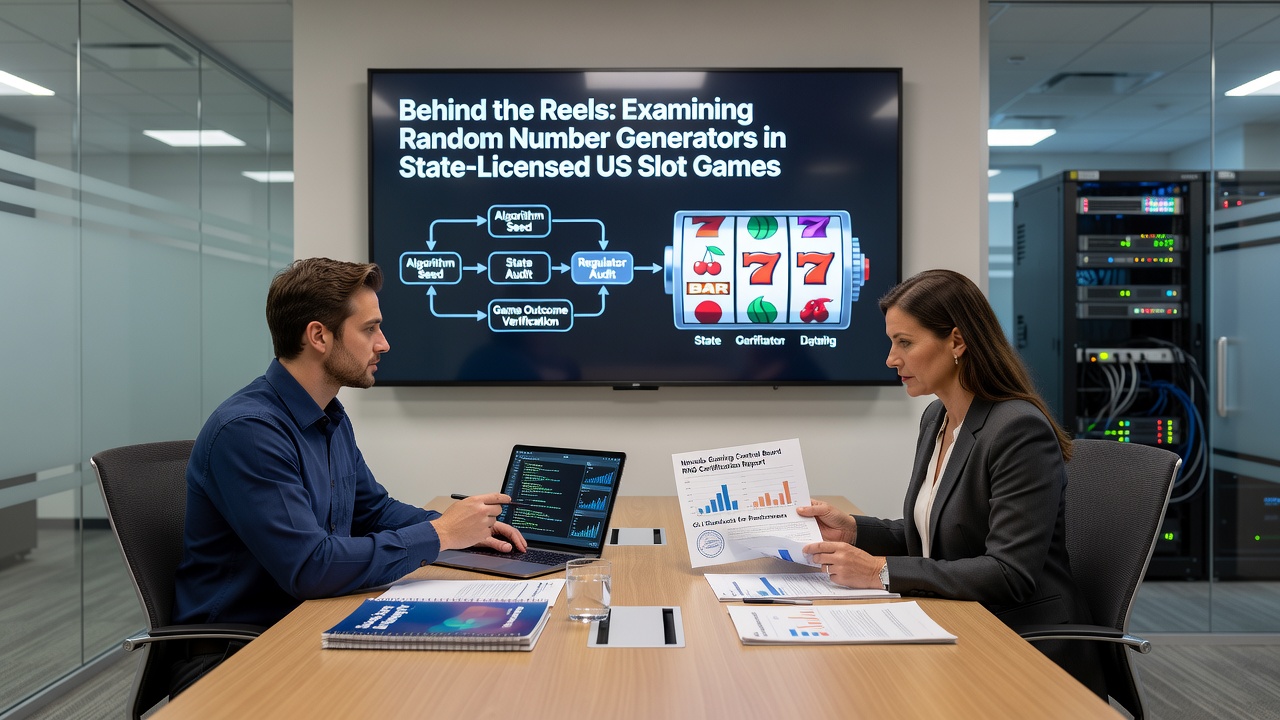
Each state maintains its own gaming control board or commission that mandates RNG certification before any slot title reaches casino floors or online platforms. The Nevada Gaming Control Board requires independent testing from approved labs prior to approval, and similar requirements appear in New Jersey, Pennsylvania, and Michigan through their respective regulatory bodies. These agencies conduct ongoing audits that include source code reviews and live monitoring of deployed systems to detect any deviation from certified behavior.
Slot operators must submit updated RNG reports whenever game software receives patches or new titles enter the library, and regulators maintain databases that track every certified component. Figures from state compliance reports reveal that fewer than one percent of submitted RNGs require retesting after initial evaluation, indicating robust pre-approval processes.
Independent Testing Laboratories and Audit Procedures
Laboratories such as Gaming Laboratories International and iTech Labs perform the bulk of RNG evaluations for US operators, applying standardized test suites that examine period length, unpredictability, and resistance to prediction attacks. Their reports detail the exact parameters used during testing, including the number of spins simulated and the statistical thresholds applied. Industry associations like the American Gaming Association publish summaries of these findings that highlight how certification protects both operators and players through transparent verification.
Additional scrutiny comes from academic researchers who occasionally publish independent analyses of public-domain RNG implementations, and these studies often focus on edge cases such as reseeding events or hardware failures. One study from a Canadian university research group compared output distributions across multiple certified platforms and confirmed adherence to expected randomness properties under normal operating conditions.
Common Misconceptions and Technical Realities
Players sometimes assume that casinos can influence RNG output after certification, yet state regulations prohibit any post-certification modification without reapproval and documentation. Hot and cold streak perceptions arise from normal statistical variation rather than manipulation, and data visualizations produced by testing labs demonstrate how clusters of wins or losses occur naturally within random sequences. Slot developers incorporate visual and audio cues that heighten these perceptions, but the underlying number generation remains unaltered.
Security protocols include encrypted communication between the RNG module and game logic, along with tamper-evident hardware seals that trigger alerts during physical inspections. Remote game servers used in online offerings undergo the same lab scrutiny plus additional network penetration testing required by state rules.
Conclusion
Random number generators form the foundation of fairness in state-licensed US slot games through layered technical standards, independent verification, and continuous regulatory oversight. Certification laboratories, state commissions, and industry groups each contribute distinct layers of validation that together maintain system integrity across physical and digital environments. As new states authorize gaming and technology evolves, these frameworks continue to adapt while preserving the core requirement that every spin result stays unpredictable and independently verifiable.